CyberSecurity Panel
Cybersecurity Panel – Key Takeaways & Reflection
1. Cybersecurity Is Real-World Serious — Like, Billions Serious
One of the most intense moments in the panel was hearing about a cybercriminal who stole **billions of dollars** in property and data, and spent **millions building tools** that could devastate businesses. She was able to nearly bring down entire companies. This made me realize something: cybersecurity isn’t just about stopping small-time hackers — it’s about **defending national infrastructure**, **company survival**, and **people’s lives**. It’s a form of digital war. I used to think cyber threats were a little exaggerated. Not anymore.
2. AI Can Be a Cyber Weapon
This one caught me off guard: **AI is now being used as a cyber attack tool.** Think about it — AI can write convincing phishing emails, generate malicious code, and even automate attacks that would’ve taken humans hours or days. And because it’s fast and always learning, it can outsmart older defense systems. What scared me most is how realistic it sounds. AI-generated attacks could easily trick even tech-savvy people. It’s no longer about spotting typos in emails — it’s about being **hyper-aware**. The same tools that make life easier can also **destroy systems** if used the wrong way.
3. People Are Still the Weakest Link
One panelist shared something I won’t forget: even after **cybersecurity training**, **a large percentage of employees still click phishing links**. That blew my mind. It’s not just a tech issue — it’s a **human behavior issue**. And if humans are the weakest link, then part of cybersecurity is *training people to think* more securely. It made me realize: until we make people take this stuff seriously, even the best systems will fail.
4. Zero-Day Attacks Are Terrifying
We also learned about **0-day vulnerabilities** — these are flaws in software that don’t have patches yet. That means **no defense**. One real-world example: Microsoft pushed out an update that pulled data from the cloud. A hacker managed to sneak a **malicious update** into that cloud server. Suddenly, **every Windows user who downloaded it got infected**. That’s next-level scary. It made me think of how even good habits (like updating your software) can sometimes be weaponized. Cybersecurity is never “done” — it’s a moving target.
5. Want to Test Your Security? Hire a Burglar
One analogy that really stuck: > “If you want to test your home’s security, don’t ask a friend — get a real burglar to break in.” In cybersecurity, that “burglar” is a **penetration tester**. They’re professionals who try to hack into systems *legally*, just to expose vulnerabilities. These people are insanely skilled — and ethical. They’re basically hackers for good. This made me think: if I ever want to be one of them, it’s not just about learning how to break in — it’s about **deciding to protect** instead of exploit.
6. Integrity Is Non-Negotiable
This was a big one. Cybersecurity isn’t just about skill — it’s about **trust**. When you work in cybersecurity, you’re often given access to highly sensitive data: personal identities, bank info, medical records. That means your **values matter** as much as your technical ability. The panelists emphasized that the best in the field are those with **strong personal integrity**. People who don’t cheat, who own their mistakes, and who stay ethical even when no one is watching.
7. Careers Are Open to Anyone
Another part I loved was hearing about the panelists' paths into cybersecurity. Some started in the military, others stumbled into it by accident. One said they got interested after reading computer books in the '90s and realized you could literally **track villains through code**. That’s when it clicked: **this career is like digital detective work**. Another panelist named Victor said the best way to start is to get a background in IT. From there, your curiosity and organization will take you far. > “If you’re curious, organized, and willing to learn — the sky’s the limit.”
8. The Real Challenge? Convincing People to Invest
One challenge in cybersecurity isn’t tech-related — it’s financial. Many businesses are hesitant to spend money on security because it doesn’t directly make them profit. But here’s the twist: if you don’t invest in it, you might lose **everything**. Cybersecurity is kind of like insurance. You don’t want to need it... but if you do, you’ll wish you had it.
9. Cybersecurity Is 24/7 — Not a 9-to-5 Job
Another key insight: Cybersecurity doesn’t sleep Attacks can happen anytime, and professionals need to stay alert constantly. Whether it’s a late-night breach or a global threat, you can’t “log off” from defending your system. Plus, cyber threats don’t respect borders. Part of the job is keeping an eye on what other countries are doing — from nation-state hackers to international AI exploits. The takeaway? Cybersecurity is global, fast-moving, and full of unknowns. And you need to love learning if you want to survive in it.
10. Cybersecurity Is a Team Sport
This was one of my favorite quotes: > “Cybersecurity is a team sport.” No one can know everything. That’s why building your **network** (both socially and technically) is key. The people around you might have the skills you don’t — and working together can unlock huge breakthroughs. Some of them might even become your mentors. Or future co-workers. Or, one day, your boss.
Tools, Certs & Projects You Can Start With:
- ICT CC Certification – Learn the basics
- Group Projects – Practice leadership & teamwork
- Pen Testing Labs – Hack legally to learn safely
- ETP Servers – Get hands-on system experience
Final Thoughts
This panel gave me a much deeper understanding of what cybersecurity really means. It’s not just about fixing computers or stopping viruses — it’s about protecting people, data, businesses, and even entire countries from real threats. Hearing from professionals made it clear how wide the field is, how fast it’s evolving, and how much responsibility it carries. I left with a stronger sense of purpose and a clearer vision of what it means to be part of this space. It helped me connect what I’ve learned in competitions to the real-world stakes behind the skills. More than anything, it confirmed that this is a space I want to keep growing in.
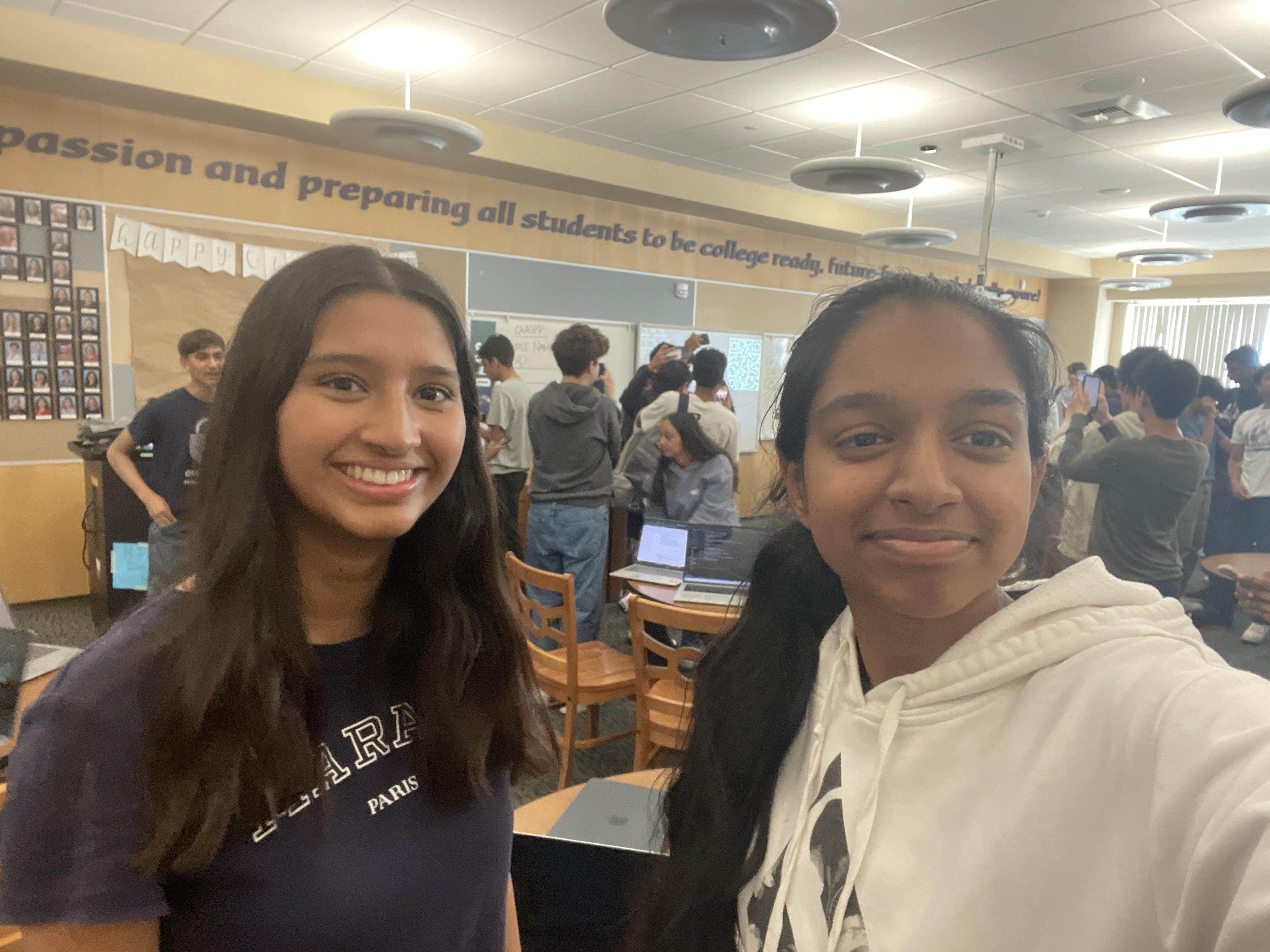
Image proof of attendance: