CSPanel
Girls in CS Panel
Reflections from the 12–16 Alumni Discussion
What I Took Away from the Panel
This panel helped me better understand how computer science fits into a wide range of STEM majors and career paths. Hearing panelists describe how CS classes shaped not only their technical skills but also their confidence and problem-solving mindset made the subject feel much more meaningful and realistic. I also gained a clearer understanding of the college application process, especially how students can effectively explain their projects and experiences through essays and portfolio websites rather than just listing accomplishments.
Another major takeaway was the importance of initiative—many of the opportunities discussed came from students actively reaching out, exploring interests on their own, and taking risks. The panel also reinforced the idea that enjoying the learning process truly matters. Having fun, staying curious, and allowing yourself to explore different areas of CS can make the journey more sustainable and rewarding.
Who Spoke on the Panel
- Neha — A third-year Computer Science major who discussed applying CS skills in nontraditional fields such as private equity, showing how flexible and interdisciplinary computer science can be.
- Aadit — A second-year Computer Science major who emphasized independence, self-teaching, and the importance of taking initiative outside of formal coursework.
- Michael — A fourth-year Computer Science major with significant experience in collaborative projects, who highlighted teamwork, leadership, and communication as essential skills.
- Tanisha — A first-year Computer Science major who shared her perspective as someone early in her CS journey and discussed building confidence from the ground up.
What Drew Them to Computer Science
- Wide-ranging applications: The panelists explained that computer science can be applied across nearly every industry, including finance, healthcare, entertainment, and social impact, allowing students to combine CS with many other interests.
- Independence and flexibility: CS encourages self-directed learning, enabling students to build projects, learn new technologies, and explore ideas at their own pace.
- Problem-solving satisfaction: Creating real, tangible solutions to complex problems through code was described as one of the most rewarding aspects of studying computer science.
Experiences That Prepared Them for College CS
- AP Computer Science classes: These courses were repeatedly mentioned as the strongest preparation for college-level computer science, helping students develop logical thinking and structured problem-solving skills.
- CyberPatriot participation: CyberPatriot gave students hands-on experience with Linux systems, command-line tools, and system-level concepts, making advanced topics feel less intimidating.
- Early exposure to CS: Structured programs and early involvement in computer science helped students build confidence and reduced the learning curve once they entered college.
Why Projects Matter So Much
- Managing complexity: Projects teach students how to break down large, overwhelming problems into smaller, manageable tasks that can be tackled step by step.
- Learning through agile methods: Using scrum and agile frameworks helps students practice planning, delegation, and time management while working collaboratively.
- Aadit’s full-stack experience: He explained how building a full-stack application one component at a time made the project more manageable and effective.
- Real-world problem focus: A UCLA Human-Computer Interaction project showed how CS can be used to solve specific, real problems—such as helping writers organize and express their ideas.
- User-first thinking: Panelists emphasized conducting surveys, interviews, and user testing to ensure solutions are built around real needs.
- Learning from real use: Watching how users actually interact with a product allows developers to refine and improve their work based on feedback rather than assumptions.
Advice on College Applications & Essays
- Neha’s strategy: She focused on personal experiences and character development rather than listing technical achievements, allowing admissions officers to understand her perspective and growth.
- Aadit’s approach: His essay highlighted the impact of his nonprofit work, emphasizing leadership, scale, and meaningful real-world influence.
- Michael’s focus: He centered his essays on collaboration and curiosity, explaining how computer science is inherently team-oriented.
- Tanisha’s narrative: She shared a growth story that traced her journey from having no coding experience to building confidence in CS.
- Overall lesson: Authentic storytelling is more powerful than simply listing accomplishments—colleges want to understand who you are and how you think.
Skills They Wish They Had Built Earlier
- Stronger foundations first: Panelists recommended mastering programming basics, data structures, and algorithms before moving into specialized areas.
- Public speaking confidence: Being able to explain technical ideas clearly to non-technical audiences is crucial in presentations, interviews, and teamwork.
- Project planning skills: Learning how to scope projects, plan timelines, and think through architecture is just as important as writing the code itself.
Communication as a Core CS Skill
- Team alignment: Clear explanations of code structure and design decisions help ensure everyone on a team understands the project.
- Visual explanations: Tools like ER diagrams, flowcharts, state diagrams, and architecture diagrams make complex systems easier to communicate.
- Hackathon environments: Fast-paced hackathons push students to explain their work clearly and efficiently to teammates and judges.
- Good documentation habits: Writing comments that explain why decisions were made, using descriptive commit messages, and maintaining READMEs improves collaboration.
- Beyond coding: The panel reinforced that communication is just as important as technical ability in computer science.
Final Thoughts
Overall, the Girls in CS Panel emphasized that success in computer science comes from steady growth, curiosity, and clear communication rather than trying to do everything at once. The panel made me feel more confident in my own CS journey and reminded me that enjoying the process is just as important as reaching the end goal.
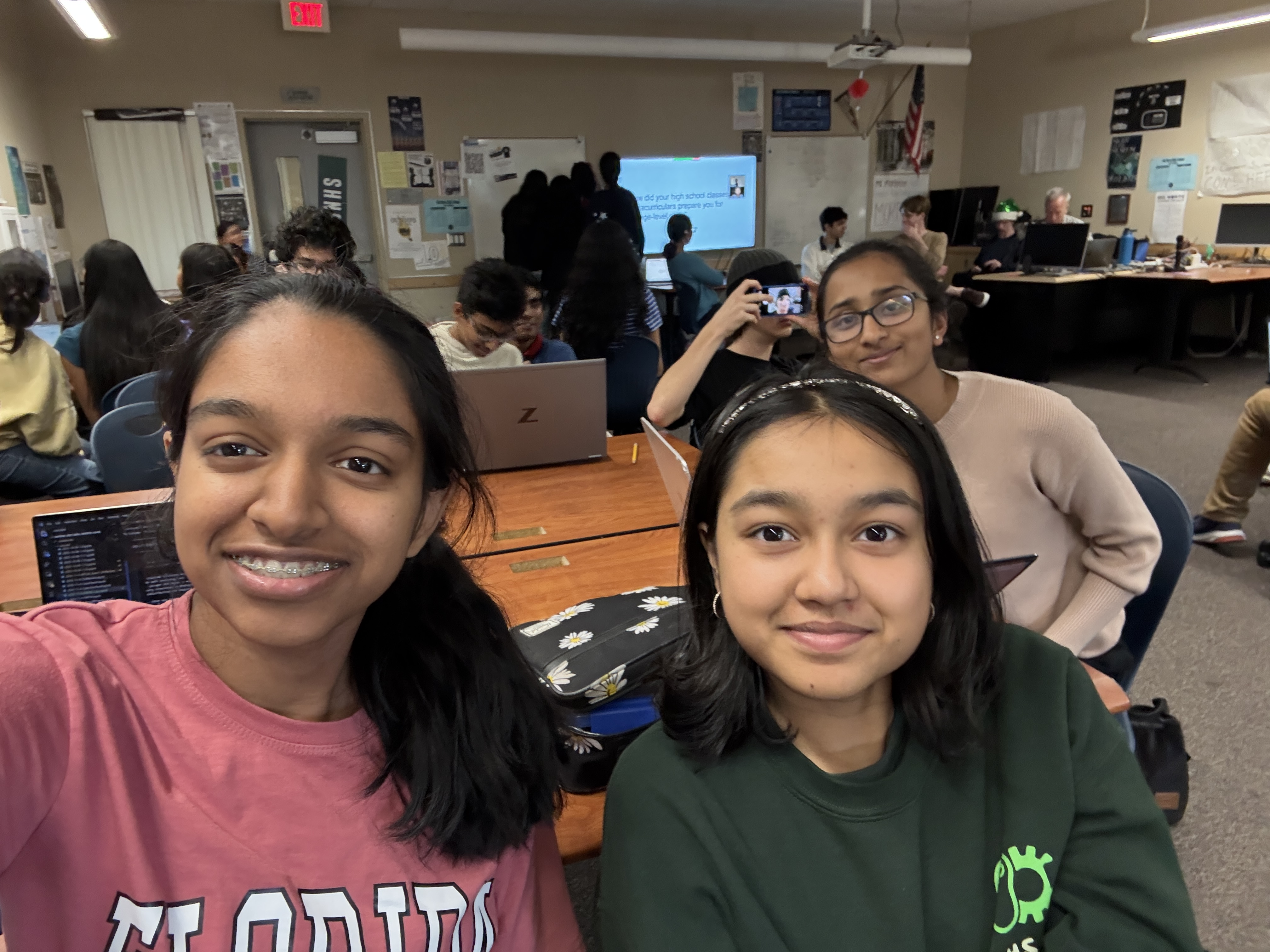
Image Evidence