Crowd Sourcing
Popcorn Hack #1
Popcorn Hack #2
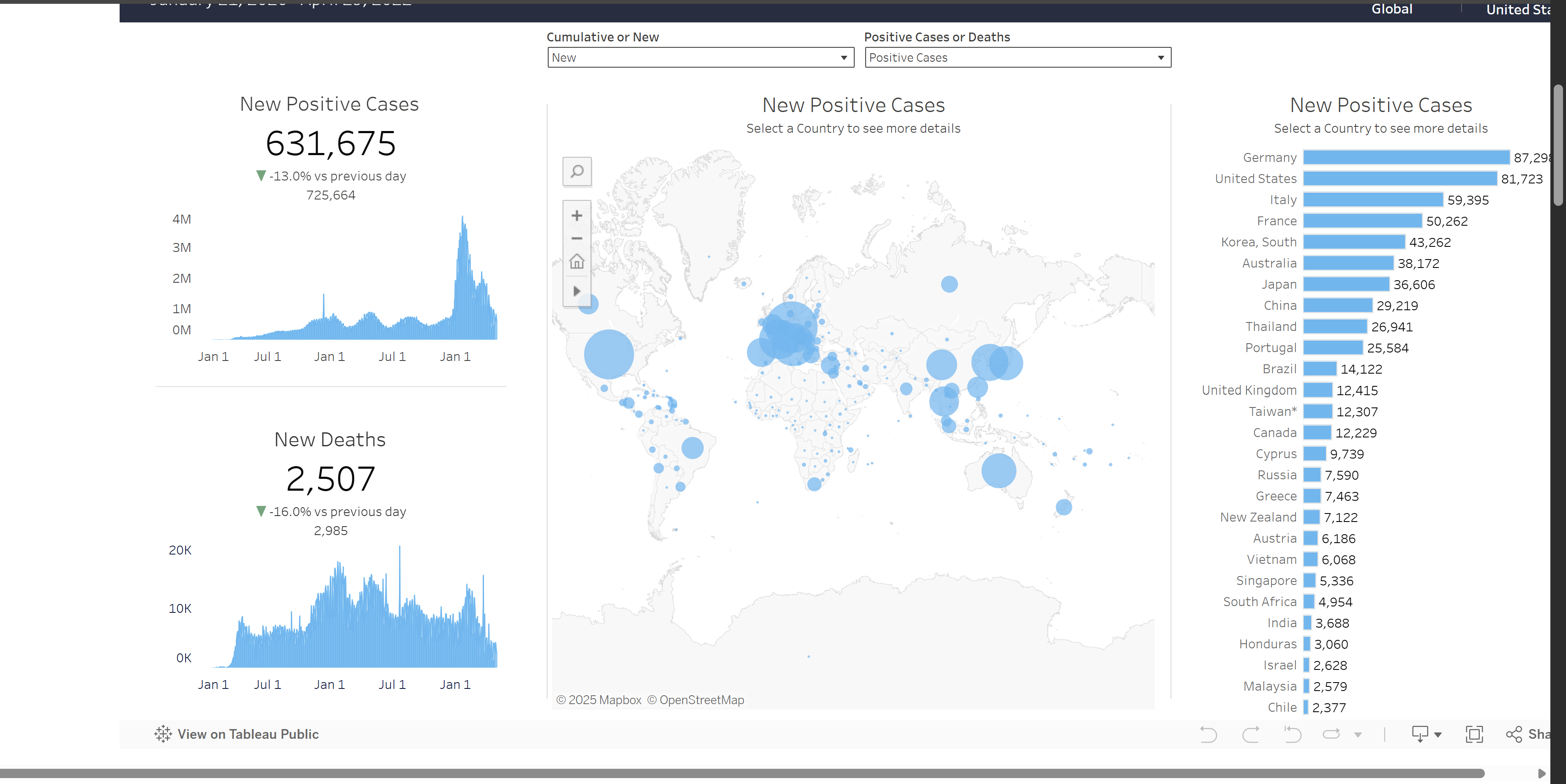
Purpose: The main purpose is to provide transparent, up-to-date global information on the spread and impact of COVID-19. It’s used in public health decision-making, academic research, news media, and data visualizations.
Pros:
-
Highly detailed: Includes country, state, and province-level breakdowns.
-
Regularly updated: Ensures current and relevant data.
-
Open source: Anyone can access, download, and use it.
-
Widely trusted: Cited by researchers, governments, and major media outlets.
Cons:
-
Data quality varies by country: Not all regions report with the same accuracy or frequency.
-
Time lags: Some updates are delayed due to reporting delays.
Hacks
Question 1 Explain the concept of crowdsourcing. Provide 2 examples (that have not been mentioned in this lesson) of how it is commonly used in different fields.
- Crowdsourcing is the practice of obtaining input, ideas, services, or content by soliciting contributions from a large group of people, typically from an online community, rather than from traditional employees or suppliers.
Example 1 (Science):
-
Zooniverse allows volunteers to help scientists classify galaxies, analyze wildlife images, and transcribe historical texts.
-
Example 2 (Business/Product Development): LEGO Ideas invites fans to submit and vote on new LEGO set concepts. Winning ideas can be turned into real products.
Question 2 Identify a real-world example of a successful crowdsourcing project. Explain the project, its goals, and the positive outcomes achieved through the collaboration of a large group of people.
- Wikipedia is a successful crowdsourcing project where volunteers worldwide collaboratively create and edit articles to provide free, reliable information on almost any topic. Its goal is to make knowledge freely available to everyone. Thanks to millions of contributors, Wikipedia has become one of the largest and most visited reference sites globally, with articles in over 300 languages.
Question 3 What are some drawbacks of crowdsourcing and why would certain groups denounce crowdsourcing? Provide specific example(s).
-
Drawbacks of crowdsourcing include quality control issues, misinformation, lack of accountability, and exploitation of unpaid labor. Some professionals, such as journalists or designers, may denounce crowdsourcing because it undervalues expertise and replaces skilled labor with free contributions.
-
Example: In graphic design, platforms like 99designs crowdsource logo or design work through contests. Many designers submit work but only one gets paid, leading to criticism about unfair labor practices and devaluing professional skills.
Question 4 Find a public data set that would work with your Pilot City project.
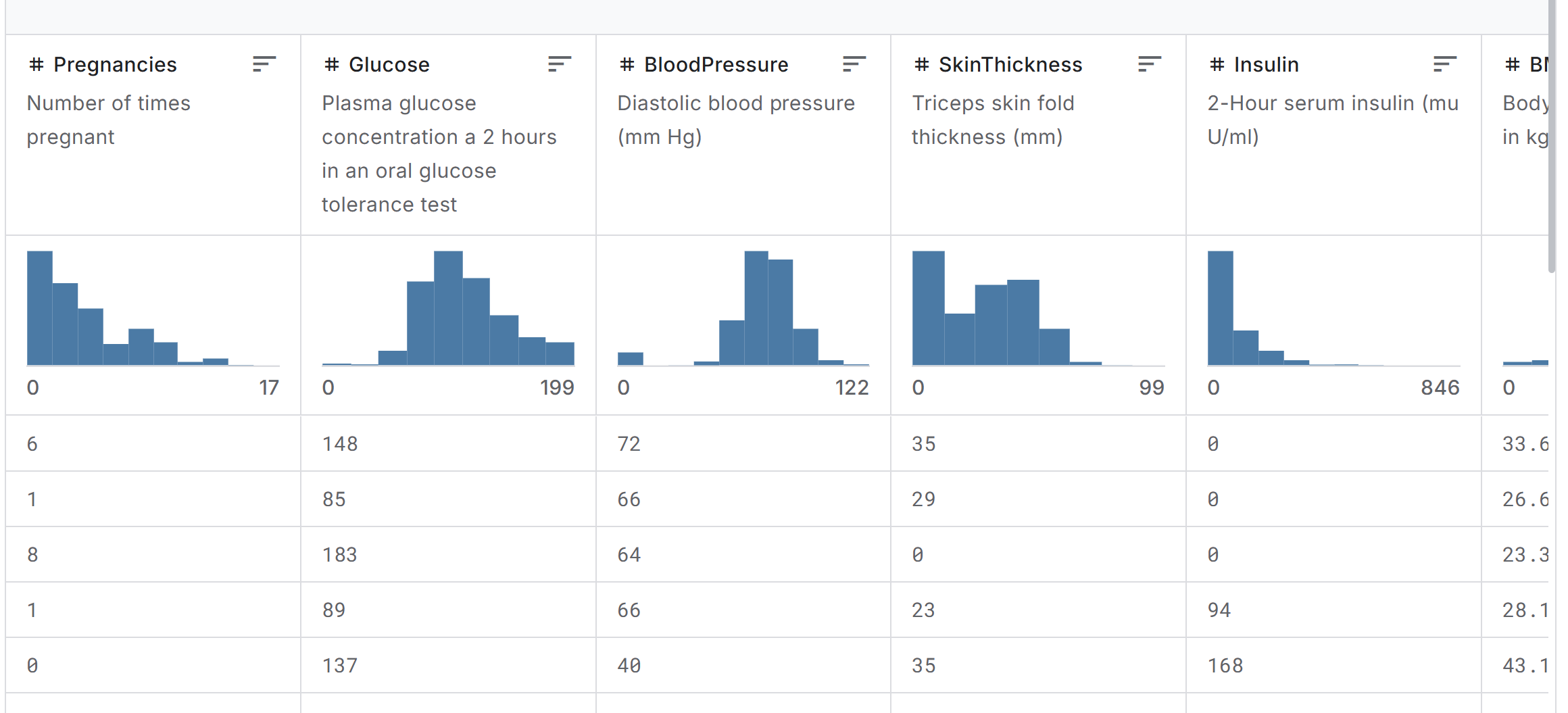
- A public data set which would work with my Pilot City project is : https://www.kaggle.com/datasets/uciml/pima-indians-diabetes-database